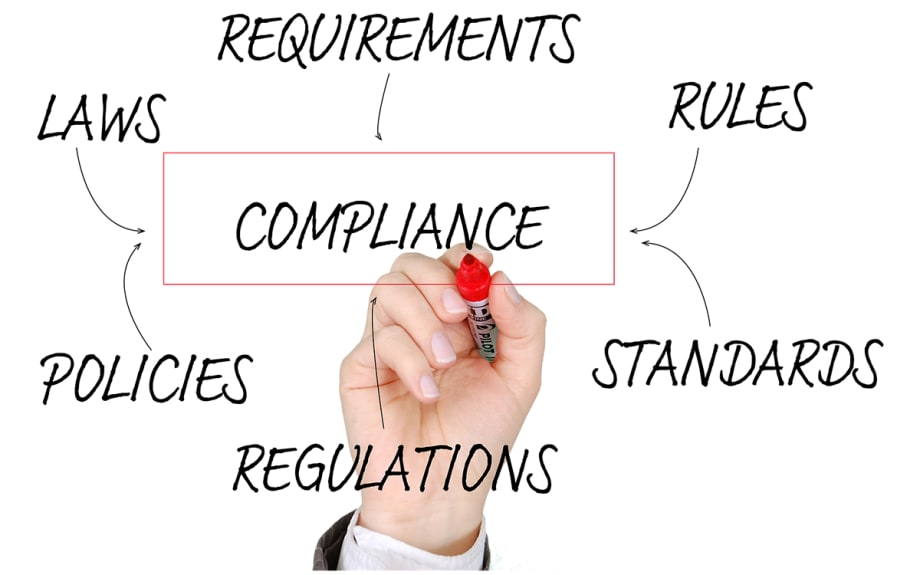
We should call it transaction compliance, rather than F&I compliance.
I made the case in 2019 that F&I compliance is a misnomer—we should start calling it “Transaction Compliance” because most compliance concerns germinate in the sales process. In our 2019 compliance reviews, we discovered that 64.29% of issues happened on the floor, before reaching the finance department. Another 7.14% of potential violations could be attributable to either sales or F&I, depending on the dealer’s processes.
The sales department must be held just as accountable for managing, documenting, and executing the dealership’s processes in a compliant manner.
Put another way, more than 70 percent of compliance concerns can be attributable to salespeople and sales managers.
Watch Out for Front-End Improvement
One potential sales violation is what we call “Front-End Improvement.” This should not be considered improving the front-end, which is an admirable effort dealers undertake to implement processes to improve the portfolio’s front end PVR. The deceptive practice of “Front-End Improvement” is a transactional anomaly.
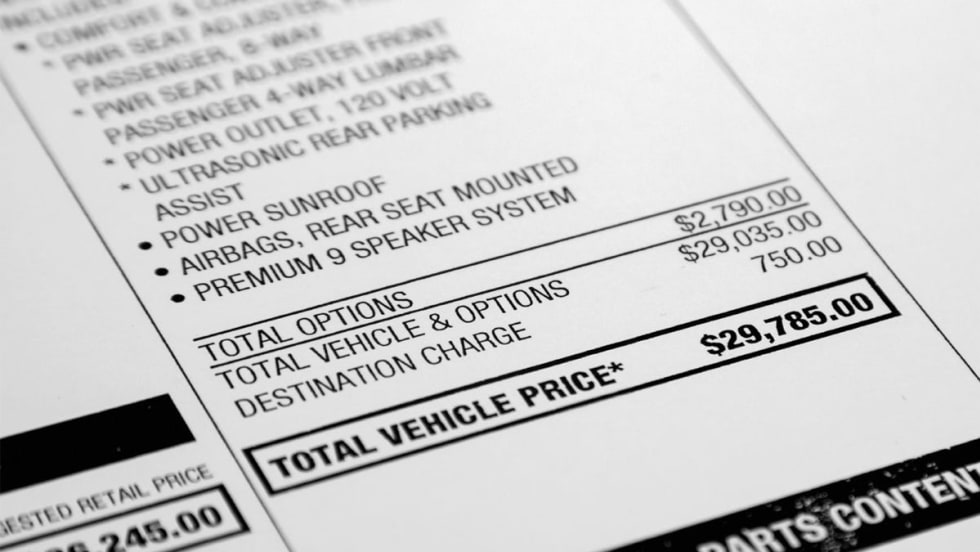
I once had a dealer client who implemented a pay plan where the F&I manager was compensated 25% of the front-end improvement over gross on a deal. The F&I manager would employ tactics such as selling new cars over MSRP, or marking up the advertised price without documentation to support the increase. The F&I manager also relied on price bumps using a confusing sales presentation.
This dealer did not do any leasing, but I have seen dealers who use leasing as a tool to execute a front-end improvement scheme by padding extra profit into the agreed upon price.
Finally, the definition of a warranty is something provided by the seller to the consumer at no additional charge. Adding the cost of a manufacturer’s Certified Pre-Owned (CPO) warranty to the sales price of a used vehicle can be considered front-end improvement.
By the way, the dealer who encouraged and rewarded his F&I manager to deceptively improve profits through a pay plan … he is no longer a client.
The Issue of Deceptive Sales Practices
You will not find a federal or state law that specifically outlaws “Front-End Improvement.” What you will find are Unfair and Deceptive Acts and Practices (UDAP) statutes. Section 5(a) of the Federal Trade Commission Act (FTC Act) (15 USC §45) prohibits, “unfair or deceptive acts or practices in or affecting commerce.”
The Dark Side loves this statute, referring to it as the “fraud statute.” It potentially allows the plaintiff to recover attorney’s fees, treble damages, and extends the statute of limitations from three to five years depending on the state.
The National Consumer Law Center (NCLC) is an organization of attorneys who specialize in suing car dealers (among other businesses) on behalf of consumers. This organization published a 1,190 page manual titled “Unfair and Deceptive Acts and Practices” which primes attorneys on how to sue businesses under this statute, including what to ask for in discovery, and the likely remedy. A significant portion of this guide is dedicated to automobile dealers and transactions.
The Dark Side is well informed and organized.
The Solution is in the Processes
Dealers can follow the steps outlined in a Compliance Management System (CMS) to develop compliant processes, which in turn act as a defense against claims of “Front-End Improvement.”
First, understand the issue as I outlined above. Next, develop a policy that prohibits these actions. Examples include:
Do not develop a pay plan that rewards a manager for fraudulent practices.
Require that any price increase above MSRP, advertised, or previously agreed upon price must be supported by a tangible hard-add, and agreed to in writing by the customer.
Do not permit a sales manager to increase the price of a used vehicle by charging for the manufacturer CPO warranty.
Once you have developed the policy, train your managers on the accepted process, and your compliance checkers on how to look for violations. Finally, enforce your new policies across the board, and make sure to document all corrective actions taken if violations occur.
Dealers and trainers always tout that the F&I manager is the compliance gatekeeper, and is the one to make sure all required disclosures and processes are followed. But placing the final responsibility—or blame—on the F&I manager, does not get to the root of the problem: sales people and sales managers who create more than 70 percent of a dealer’s compliance nightmares. The sales department must be held just as accountable for managing, documenting, and executing the dealership’s processes in a compliant manner.
And yes, good luck and good selling!
Gil Van Over is the Executive Director of Automotive Compliance Education (ACE), the Founder and President of gvo3 & Associates, and author of Automotive Compliance in a Digital World.