MenuMENU
SearchSEARCH

Trade Dispute Decision Could Move More Auto Manufacturing to Canada, Mexico

Preliminary ruling would give countries more leeway in meeting duty-free threshold.

December 9, 2022
Trade Dispute Decision Could Move More Auto Manufacturing to Canada, Mexico

Vehicles are the top manufactured product traded among the three trade partners.

Credit:

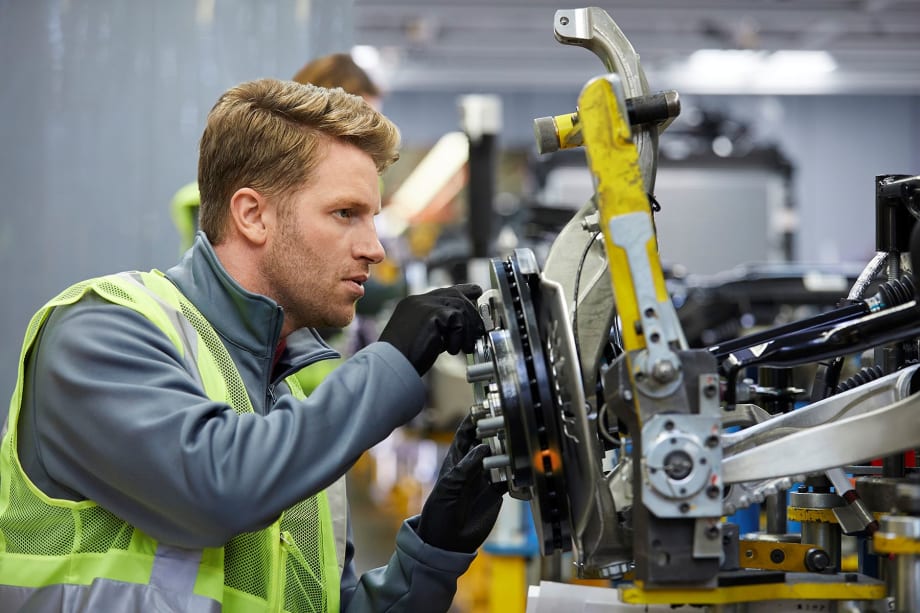
IMAGE: Getty Images/Morsa Images

2 min to read


Canada and Mexico prevailed in a trade fight with the U.S. over vehicles moved across regional borders in a decision that could lead to more auto parts manufacturing in those countries, Bloomberg reported.

The ruling by a panel convened under the 2020 U.S.-Mexico-Canada Agreement issued a preliminary ruling last month that hasn’t yet been made public, the news service said. The three countries have 30 days to respond to it before its final version is issued.

Mexico initiated the challenge in January, Bloomberg reported, to resolve a dispute among the countries over how to calculate the percentage of a vehicle that originates collectively in the three countries. It and Canada say the USMCA allows for more regionally made parts to be covered by tax-free shipping than the U.S. desires, Bloomberg said.

Under the USMCA, which replaced the Clinton-era North American Free Trade Agreement, or NAFTA, at the behest of former President Donald Trump, 75% of a vehicle’s components are to originate in the region to qualify for tax exemption.

The preliminary panel ruling could incentivize manufacturers to make car parts and assemble more cars in Canada and Mexico, particularly the latter, where wages are far lower than those in the U.S., and especially for high-cost components, such as electric batteries, one expert told Bloomberg. He said that the decision could both lower vehicle costs and increase carmaker profits.

The ruling apparently grants leeway in the percentage calculation. The new trade agreement had increased prices of North American-made vehicles due to the difficulty of achieving set domestic content amounts. The U.S. pushed a stricter calculation method than Canada and Mexico to determine parts’ origin, making it harder for plants in those two countries to meet the 75% threshold. NAFTA required a lower, 62.5%, threshold for duty-free shipping.

Vehicles are the top manufactured product traded among the three partners, Bloomberg said.

READ MORE: Decision on North American auto rules dispute 'imminent', Canada says

More Dealer Ops

F&Iby StaffApril 2, 2025

DOWC Powers the Future of F&I for NESNA

Company is providing a fully integrated F&I administration model to Nissan Extended Services North America’s dealer network.

Read More →
IndustryNovember 27, 2024

Six Powerful Questions

Take the time to answer these and lay the groundwork for a successful year-end.

Read More →
Dealer Opsby Hannah MitchellSeptember 19, 2024

Sunny Side Up

Many dealers are going green – both environmentally and cash-wise – by powering their stores with solar-generated electricity.

Read More →
Ad Loading...
IndustryAugust 26, 2024

Is It Time to Rethink Business Development Centers?

Their role at automotive dealerships is essential today to give salespeople time to close deals.

Read More →
Product & Technologyby Hannah MitchellAugust 22, 2024

A Backup Plan

DMS outage revealed a gap that dealers may want to fill.

Read More →
Dealer OpsAugust 20, 2024

Maximizing Revenue Potential

The strategic imperative for auto dealers is to prioritize F&I product sales and wealth-building in challenging times.

Read More →
Ad Loading...
IndustryAugust 7, 2024

How to Optimize Liquidity in a Fluid Environment

It's wise to not take your dealership's banking relationships for granted.

Read More →
IndustryJuly 29, 2024

Unlocking the Keys to Success

Why customer retention matters now more than ever

Read More →
Dealer Opsby StaffJuly 23, 2024

Store Names First Female Dealer Principal

Howard Bentley Buick GMC is now headed by Taylor Bentley Conner.

Read More →
Ad Loading...
IndustryJuly 18, 2024

Masters in Training

Rick McCormick preaches the wisdom of breaking into what he considers the top 3% of F&I managers with a stance of continuous development.

Read More →