



Toyota Motor Corp. said it will use scratched or blemished parts from suppliers to trim costs amid a production-curbing global chip shortage and rising material costs.
 MENU
MENU SEARCH
The automaker’s acceptance of parts it would have thrown away in the past marks a notable change for a company renowned for stringent quality control.
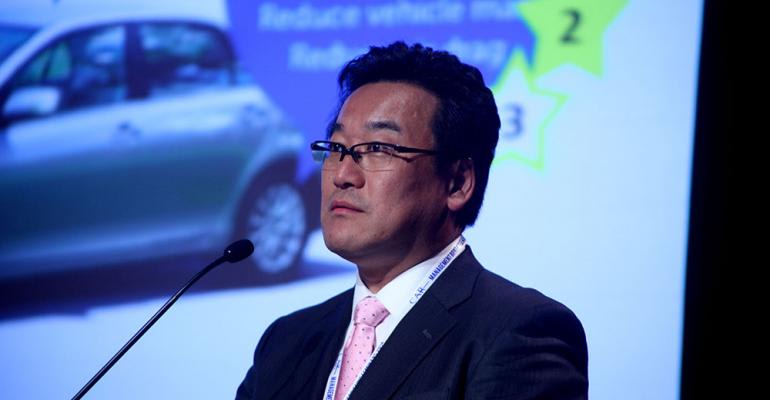
Takefumi Shiga of Toyota reports the automaker will use will use scratched or blemished parts from suppliers to trim costs.
Toyota
Toyota Motor Corp. said it will use scratched or blemished parts from suppliers to trim costs amid a production-curbing global chip shortage and rising material costs.
The automaker’s acceptance of parts it would have thrown away in the past marks a significant change for a company renowned for stringent quality control. Toyota has traditionally adhered to Japanese manufacturing practices that prioritize perfection over speed to market.
“We are careful about the outside of our vehicles, the parts you can easily see. But there are plenty of places that people don’t notice unless they really take a good look,” said Takefumi Shiga, Toyota's chief project leader for vehicle development, during a press briefing.
In November, when Toyota raised its operating profit outlook 12% for the fiscal year ending March 31, its leadership warned that the ongoing shortage of semiconductors and increasing material costs were hurting its profitability.
Shiga and other Toyota engineers are expanding a program begun in 2019 that allows parts with scratches or blemishes if they do not affect vehicle safety and performance and are unlikely to be noticed by car buyers.
The move increases parts availability. For example, a visit with a supplier making plastic seat belt parts reduced the number of component being rejected by three-quarters, Shiga said.
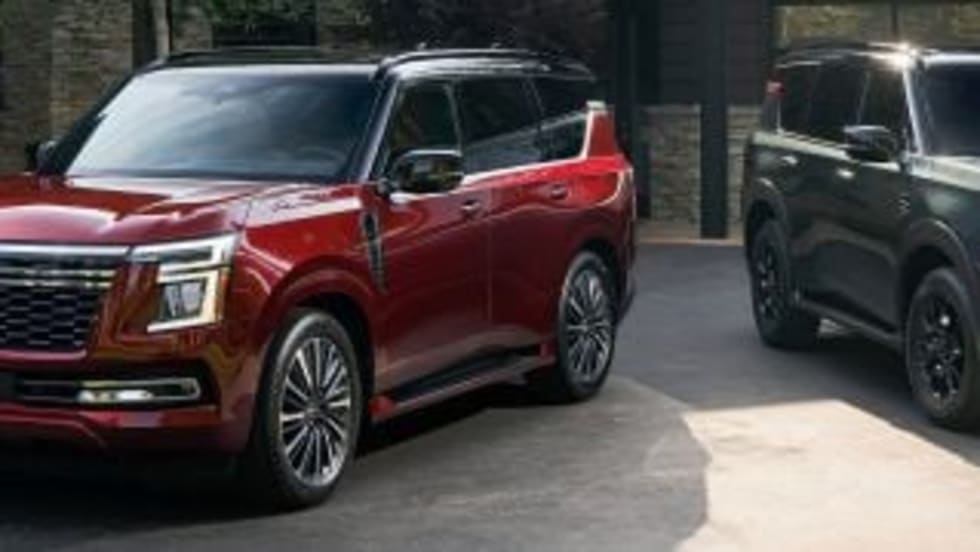
Company is providing a fully integrated F&I administration model to Nissan Extended Services North America’s dealer network.
Read More →
Take the time to answer these and lay the groundwork for a successful year-end.
Read More →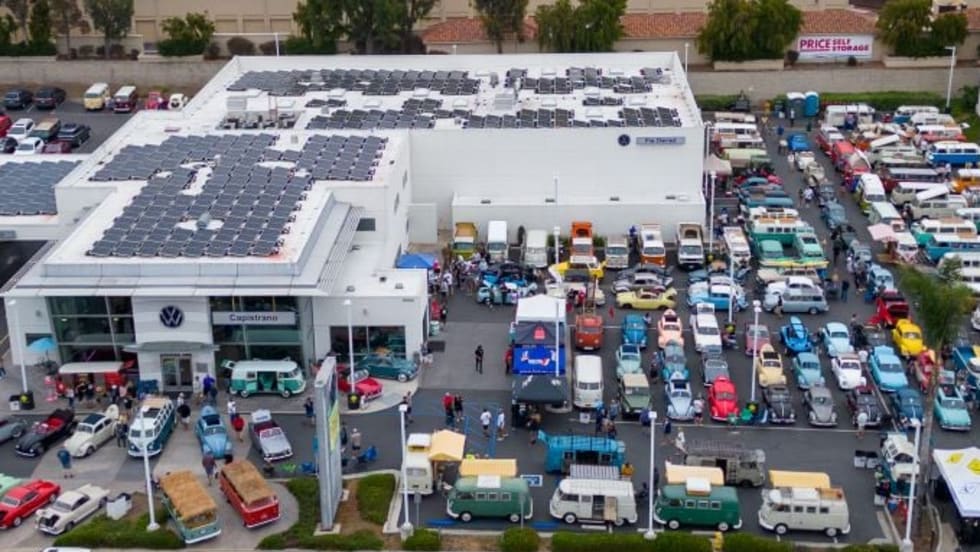
Many dealers are going green – both environmentally and cash-wise – by powering their stores with solar-generated electricity.
Read More →
Their role at automotive dealerships is essential today to give salespeople time to close deals.
Read More →

The strategic imperative for auto dealers is to prioritize F&I product sales and wealth-building in challenging times.
Read More →
It's wise to not take your dealership's banking relationships for granted.
Read More →

Howard Bentley Buick GMC is now headed by Taylor Bentley Conner.
Read More →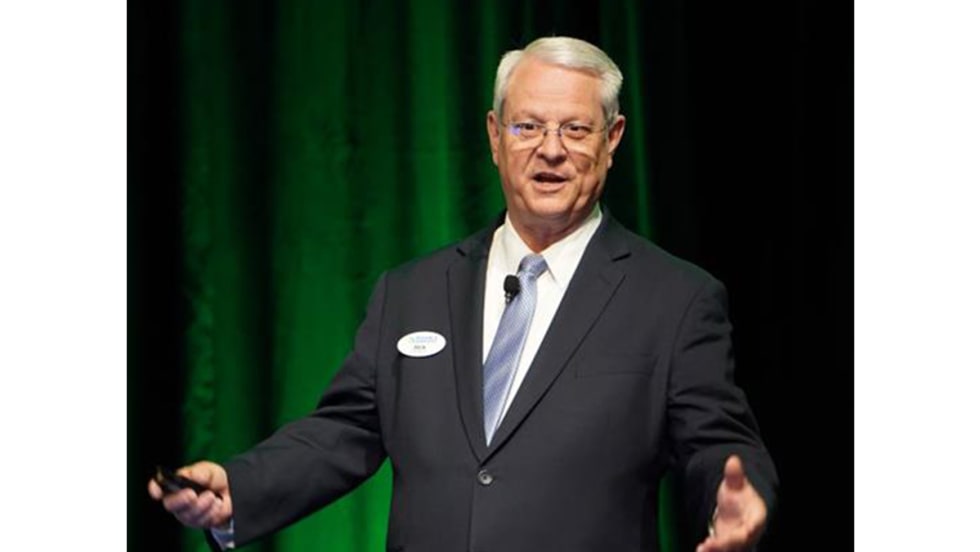
Rick McCormick preaches the wisdom of breaking into what he considers the top 3% of F&I managers with a stance of continuous development.
Read More →