MenuMENU
SearchSEARCH

How Automakers and Dealers are Weathering a Topsy Turvey Market

BMW is faring better than GM, and car dealers are coping better than component suppliers.

October 12, 2021
How Automakers and Dealers are Weathering a Topsy Turvey Market

BMW released a positive forecast for 2021 based on “continuing positive pricing effects for both new and preowned vehicles will overcompensate” for falling car sales.

Credit:

Creative Commons

2 min to read


Months ago, the industry focus was on unprecedented demand, higher than ever prices, and record sales. Today, the picture looks bleaker.

The automotive industry saw its luck turn in Quarter 3 when light vehicles, sold in the U.S. at a seasonally adjusted annualized rate of just 12.2 million in September—the lowest in over a decade, with the exception of spring 2020.  

The semiconductor chip shortage hampered vehicle production and deliveries to dealers in the spring. But at that time, ample inventories remained. Now dealers have few vehicles to sell except those vehicles manufactured with remaining chip supplies.

Prices skyrocketed as supply tightened. J.D. Power reports U.S. consumers paid an average of $42,368 for new vehicles in September, up 17% from September 2020. Production constraints also force car makers to prioritize higher-margin vehicles, like pickup trucks, which improves the sales margins.

BMW recently updated its profit forecast for 2021. They based the forecast on a belief that “continuing positive pricing effects for both new and preowned vehicles will overcompensate” for falling car sales. Skyrocketing pre-owned vehicle prices—which hit a new high in September—also feed into the returns automakers earn in their big leasing operations.

General Motors didn’t share BMW’s enthusiasm. The automaker expects a weak third-quarter profit. The chip shortage isn’t totally to blame. Profits took a hit with the automaker’s expansion of the Bolt electric vehicle recall. After 90 years as the top selling automaker in the U.S., GM’s market share fell to just 13.1% in the third quarter.

Smaller players reaped the benefits of a challenging market. Hyundai and its affiliate Kia reported a record 10.8% U.S. market share in the third quarter.

U.S. dealers are still thriving. J.D. Power estimates state that, as a whole, dealerships made $4.2 billion in profit from new-vehicle sales in September—a record for the month despite the inventory shortage.


More Dealer Ops

F&Iby StaffApril 2, 2025

DOWC Powers the Future of F&I for NESNA

Company is providing a fully integrated F&I administration model to Nissan Extended Services North America’s dealer network.

Read More →
IndustryNovember 27, 2024

Six Powerful Questions

Take the time to answer these and lay the groundwork for a successful year-end.

Read More →
Dealer Opsby Hannah MitchellSeptember 19, 2024

Sunny Side Up

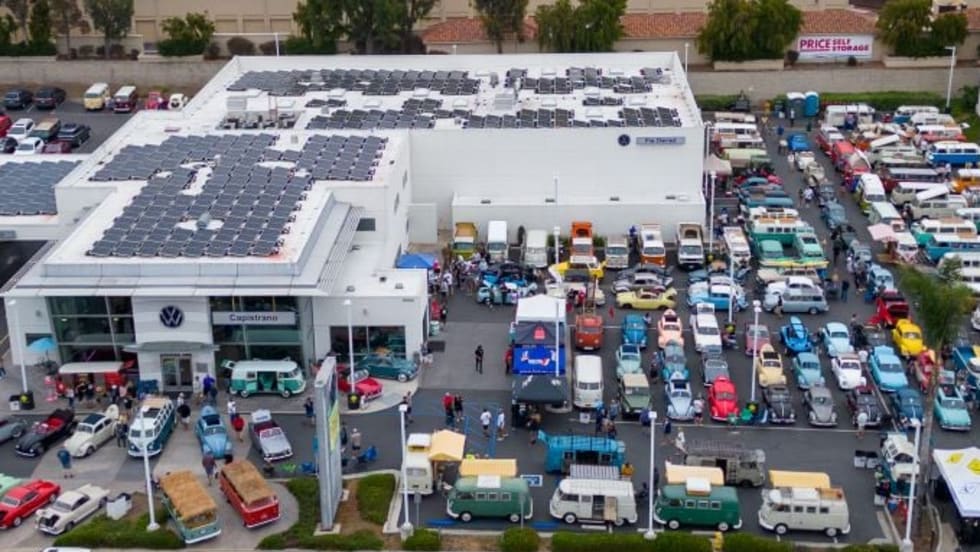
Many dealers are going green – both environmentally and cash-wise – by powering their stores with solar-generated electricity.

Read More →
Ad Loading...
IndustryAugust 26, 2024

Is It Time to Rethink Business Development Centers?

Their role at automotive dealerships is essential today to give salespeople time to close deals.

Read More →
Product & Technologyby Hannah MitchellAugust 22, 2024

A Backup Plan

DMS outage revealed a gap that dealers may want to fill.

Read More →
Dealer OpsAugust 20, 2024

Maximizing Revenue Potential

The strategic imperative for auto dealers is to prioritize F&I product sales and wealth-building in challenging times.

Read More →
Ad Loading...
IndustryAugust 7, 2024

How to Optimize Liquidity in a Fluid Environment

It's wise to not take your dealership's banking relationships for granted.

Read More →
IndustryJuly 29, 2024

Unlocking the Keys to Success

Why customer retention matters now more than ever

Read More →
Dealer Opsby StaffJuly 23, 2024

Store Names First Female Dealer Principal

Howard Bentley Buick GMC is now headed by Taylor Bentley Conner.

Read More →
Ad Loading...
IndustryJuly 18, 2024

Masters in Training

Rick McCormick preaches the wisdom of breaking into what he considers the top 3% of F&I managers with a stance of continuous development.

Read More →