

![[Video] The Average LIfecycle Close](https://assets.bobitstudios.com/image/upload/f_auto,q_auto,dpr_auto,c_limit,w_920/FI1215-SoHerestheDeal_1761671528340_vvkhot.jpg)
Our question this month comes from T.G. in Fayetteville, Ark., home of college football’s Arkansas Razorbacks (It’s also a wild hog that can be found at Fayetteville’s annual Bikes, Blues & BBQ!). T.G. asks: “When trying to build value in the vehicle service contract (VSC), what is a good response when customers say any issues they have with their vehicle will likely happen within the first three years or 36,000 miles?”
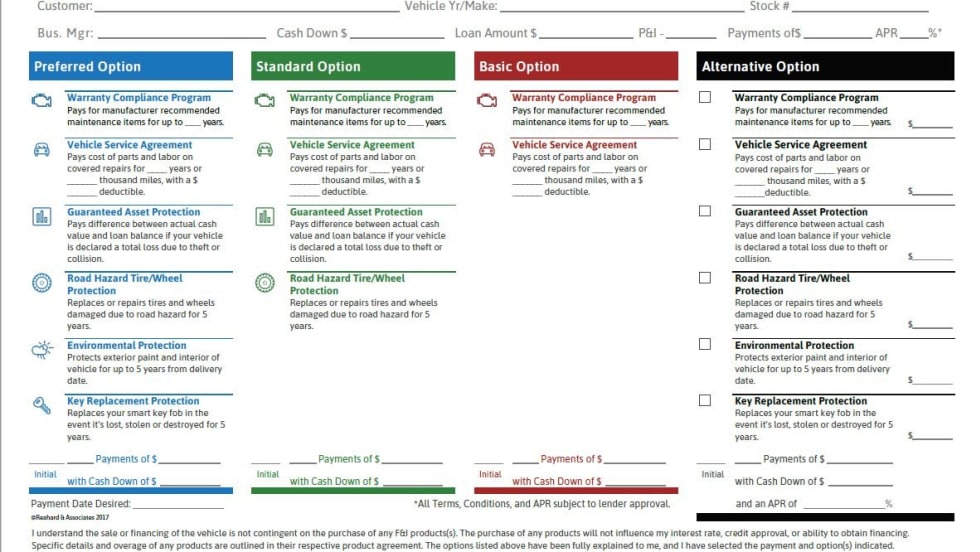
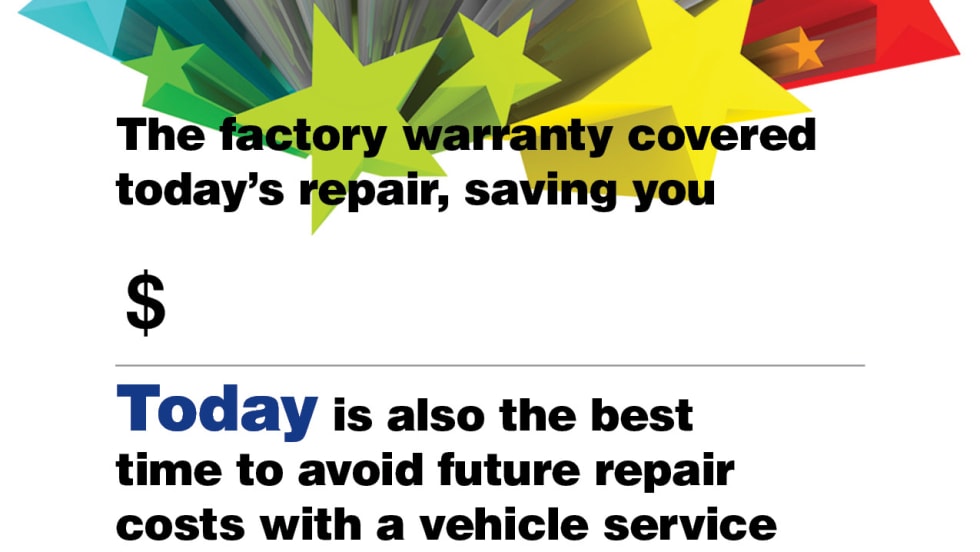
T.G., the perfect way to respond to this objection is with what I call the Average Automobile Lifecycle close. It requires the visual aid you see on this page. This close works especially well when customers believe the manufacturer builds a trouble-free vehicle. If there is a defect in parts or workmanship, they’ll say, those issues will show up while the factory warranty is still in play.
The objective is to get the customer to agree that the reason the manufacturer limits the warranty to three years (or whatever the factory warranty is on your vehicles) is because most breakdowns occur after that period. Once they do, it’s difficult for them to deny they need a service agreement. Here’s how the exchange might go:
F&I manager: I agree. Subaru builds fantastic vehicles. That’s why you’re buying one. I mean, if you thought you were going to have problems with your new Crosstrek, you wouldn’t be buying one. You’d be buying something else, right?
Customer: Right.
F&I manager: And I would also agree with you that if there’s a defect in parts or workmanship, those generally show up during the factory warranty’s coverage period. In fact, when you look at the average lifecycle of a vehicle, the manufacturers actually have a term for it. They call it the break-in period. If they happen to get a defective part from one of their suppliers, or there was something that was not put together exactly right on the assembly line, those types of things show up pretty quickly — usually within the first 90 days.
After that, your vehicle moves into what’s known in the industry as the reliable period. Once any manufacturing defects have been fixed, this is typically the most trouble-free and reliable period of a vehicle’s life. But did you ever wonder why Subaru and most other manufacturers limit their warranties to three years? Why not have a four-year, five-year, or six-year warranty?
Customer: It’s probably because you start having problems after three years.
F&I manager: Exactly. In fact, the industry refers to that period after the first three years of ownership as the wear-out period, because that’s when metal fatigues, plastic gets brittle, rubber gets hard, and parts fail. And that’s why, for someone like yourself, the vehicle service agreement is absolutely critical. Because as you said, this is where you start having problems. And you do normally keep your vehicles a lot longer than three years, right?
Customer: That’s true.
That positive response means you’ve earned the right to go for the close. The great thing about this simple technique and visual aid is they allow the customer to see with their own eyes why they need a vehicle service agreement.
T.G., thanks for your question. Make sure to check out my video response to his question and others by visiting my So Here’s the Deal blog at www.fi-magazine.com. And don’t forget to submit your own video for a chance to get your question answered and receive a free pass to next year’s Industry Summit. Until next month, remember, it’s a beautiful day to help a customer!
Ron Reahard is president of Reahard & Associates Inc., a training company providing F&I classes, workshops, in-dealership and online training. Got a question or objection for Ron? Use your mobile phone to record a brief video (shot landscape style!) of your question and upload it to www.hightail.com/u/REAHARD.