In the auto industry, it is standard practice for F&I managers to present products to customers in a predestined order. That order is determined by the value of each product for the dealership, with the highest-valued products presented first and the lowest-valued last, or prioritized in how the F&I team is compensated.
Over time, the values of these products are subject to change. If you were around in the 1960s and 1970s, credit insurance was the primary F&I product sold in dealerships. In the late ‘70s, service contracts were developed and quickly overtook credit insurance for the top spot. Why did service contracts rise to the top? They encourage customer retention and generate more value for the dealership. Customer retention should be the litmus test for everything sold in F&I.
Today’s F&I managers have a long list of products to present. Almost always, the first two products on this list are VSC and GAP, in that order. After that, most F&I managers dutifully present anti-theft, dent coverage, key replacement, tire and wheel, and appearance products.
When you are selling multiple products in order of priority, it is important to examine your ranking to decide if your predetermined order still makes sense. I thought about this recently and posed this question: Should GAP be the second-highest prioritized product in F&I?
After some thought, the answer was no.
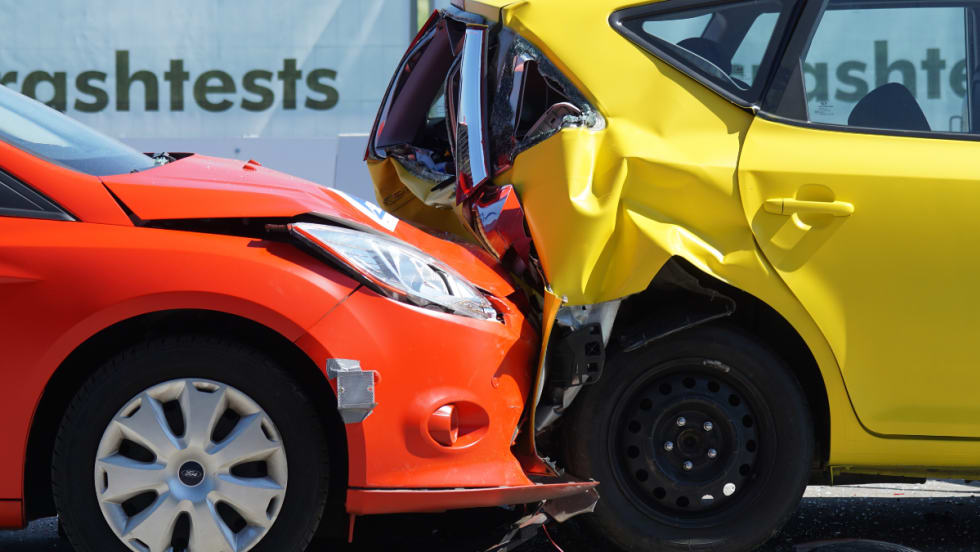
GAP is a valuable product, no question. But there are some challenges with GAP — notably, banks cap how much available profit is in the product. GAP prices are also increasing because more cars are being totaled by the insurance companies. It’s not that consumers are getting into more accidents; the cost of repairs has gone up exponentially.
It didn’t cost much to fix a bumper if you got into a fender bender 20 years ago. If the same thing happens now, there’s a good chance you destroyed a camera that will cost a few thousand dollars to repair. Today’s vehicles are loaded with technology and electronics, so it is often cheaper to declare a car totaled rather than repair all the damage. With bank caps and GAP prices rising, dealer profitability is getting squeezed.
The second reason I question GAP’s product priority is because there is no retention component for dealers. When a car is totaled, there is no guarantee your customer will return to your dealership to purchase their new vehicle.
I know what you’re thinking: “We love GAP because the policies pay out from $5,000 to $10,000 for every claim paid. Other products don’t pay that much.” True. However, the value of a product to your dealership can be determined by the severity and frequency of claims, product profitability, and retention. GAP wins on severity, but the frequency of claims (versus products sold) is low. Retention is negligible, and profitability, as mentioned, is declining.
AN ALTERNATIVE THOUGHT PROCESS
Consider prioritizing F&I products with a high retention component, high frequency, and high profitability, in that order. Your providers should be able to give you the data for analysis.
Tire and wheel, key replacement, and dent and ding coverage are all great candidates for the number two spot on the product presentation list. A tire and wheel claim may only pay out $500, but claim frequency is far greater than with GAP. It also brings the customer back to your service department, so you have an opportunity to find additional customer pay work.
Combo product offerings also create great value because you can bundle a high-retention product with products that have low retention but higher profitability or frequency. Customers prefer to bring their vehicles to the dealership with these specific types of claims.
There are also service contracts available now focused solely on technology, electronics, and safety systems. These are designed to offer consumers an alternative option when they decline a comprehensive service contract. This type of service contract checks all of the boxes.
As a dealer, your ultimate goal is to create customers for life. To align your F&I strategy with that goal, prioritize the presentation of products designed to increase service retention. Vehicle service contracts deserve to remain number one, but leaving GAP in the number two spot is questionable. There may be better options.
ABOUT THE AUTHOR: Rob Volatile is Senior Vice President and Managing Director of EasyCare at APCO Holdings, home of the GWC Warranty and EasyCare brands. He has been a national trainer and worked with hundreds of dealers to optimize profits. Previously, Rob was founder and owner of Northeast Dealer Service and Strategic Diversified, serving the mid-Atlantic region for over 20 years. In 2021 the company merged with APCO Holdings, LLC.