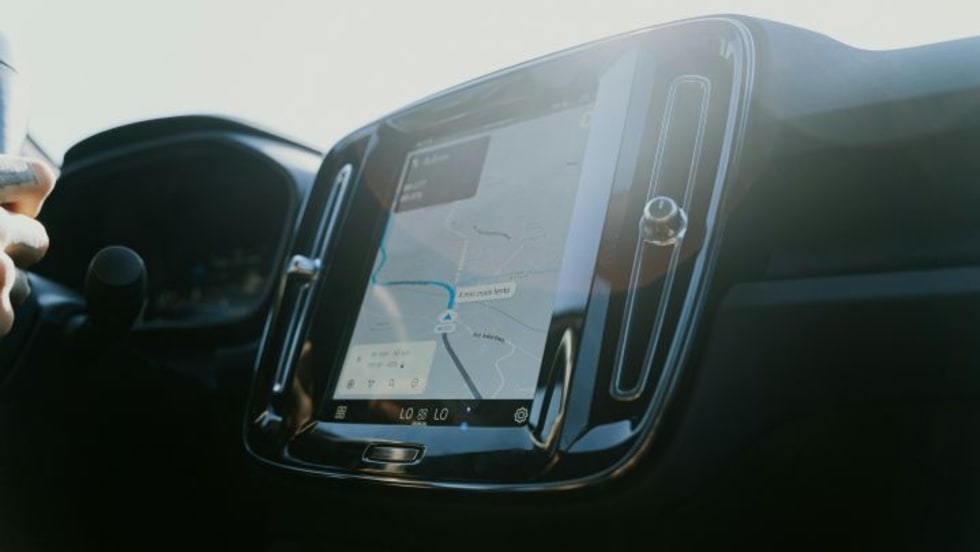
WESTLAKE VILLAGE, Calif. — In a climate of high consumer demand for increasing levels of technology in new vehicles, audio, communication, entertainment and navigation (ACEN) systems are the most problematic component category, according to the J.D. Power 2014 Multimedia Quality and Satisfaction Study.
The study measured the experiences and opinions of vehicle owners regarding the quality, design and features of their ACEN systems in the first 90 days of ownership. Multimedia system quality is determined by the number of problems experienced per 100 vehicles (PP100), with a lower score reflecting higher quality. The study is based on responses from 86,118 new-vehicle owners surveyed between February 2014 and May 2014.
In recent years, problems with ACEN have become the most prevalent type of problem with new vehicles. Specifically, built-in voice recognition surpasses wind noise as the problem most frequently reported by new-vehicle owners. Bluetooth connectivity is the second most frequently reported problem at 5.7 PP100, down from 6.3 PP100 in 2013, followed by wind noise and navigation problems, officials said.
Owners indicated that 97% of the devices with which they have pairing/connectivity issues are their phones. Considering that a majority (93%) of vehicle owners indicate built-in Bluetooth connectivity available and 86% of owners say they have connected through their Bluetooth, seamless connectivity between device and vehicle is crucial. Among pairing/connectivity issues, the most common problems are the system won’t find/recognize their mobile phone/device (40%) and the phone won’t automatically connect when entering the vehicle (30%).
Problems with built-in voice recognition average 8.3 PP100 this year, up from 7.6 PP100 in 2013. The voice recognition problems customers cite most often relate to three built-in hands-free communication issues: doesn’t recognize/misinterprets verbal commands (63%); doesn’t recognize/misinterprets names/words (44%); and doesn’t recognize/misinterprets numbers (31%).
“Voice recognition and device connectivity are often inherent to the technology design and cannot be fixed at the dealership, creating a high level of angst among new-vehicle owners,” said Mike VanNieuwkuyk, executive director of global automotive at J.D. Power. “Problems such as wind noise can sometimes be adjusted at the dealership. With voice recognition and connectivity problems, owners have had to learn to live with the shortcomings of this feature and instead rely on such work-around options as knobs and controls on the steering wheel and head unit to offset the core problem. Despite having alternative controls, this problem still negatively impacts owner satisfaction.”
According to VanNieuwkuyk, auto manufacturers continue to produce built-in voice recognition and connectivity systems that are not in sync with consumer expectations. Manufacturers have good intentions, but ultimately their efforts yield poor results.
Although a majority of new-vehicle owners continue to express interest in having built-in voice recognition and connectivity, these same owners indicate their wireless phone is more robust than current built-in systems, and they are not eager to pay for technology they perceive will not work as needed or expected. Nearly three-fourths (70%) of new-vehicle owners indicate interest in built-in voice recognition. When given a cost of $500 for this technology, purchase interest drops to 44%.
“Automotive manufacturers really need to go back to the basics and design these systems so drivers can keep their hands on the wheel, their eyes on the road and their mind on the drive,” VanNieuwkuyk said.