Incentives and more affordable models are helping keep new-vehicle prices in check, though they’re not falling appreciably and certainly nowhere near prepandemic levels.
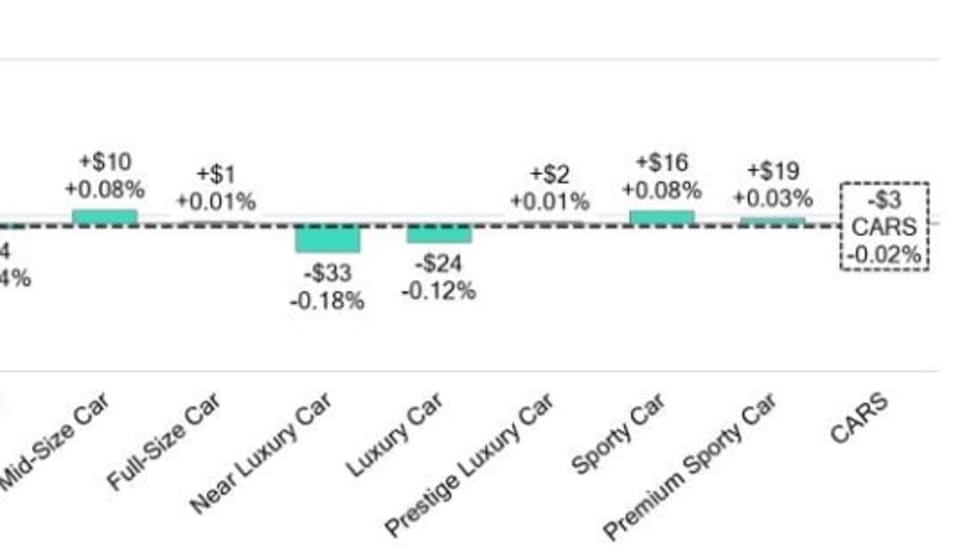
As the third quarter ended last month, the average transaction price totaled $48,397, according to Cox Automotive data. That was essentially flat – down by less than a half percent – both month-over-month and year-over-year.
Even average incentive spending barely budged – up just one-tenth of a percent from August to 7.3% of the ATP, though well up from 4.8% a year earlier, Cox said.
Given the stubbornness of vehicle prices themselves despite revived inventories, incentive spend is still propping up sales volume, said Executive Analyst Erin Keating. New-vehicle supply measured in early September hit 2.8 million units, up from about 2.1 million a year earlier, Cox said.
“We still believe there is potential for growth in the market for the rest of the year, she said, “but with the uncertainty of a national election around the corner and major weather events disrupting business, maybe a slow, steady pace is all we should expect.”
Many consumers are opting for the most affordable price points in the market this year, including those around $25,000, Cox said. Only one model, the Mitsubishi Mirage, was selling for less than $20,000. Expensive vehicles, such as full-size pickups, are consequently losing market share.
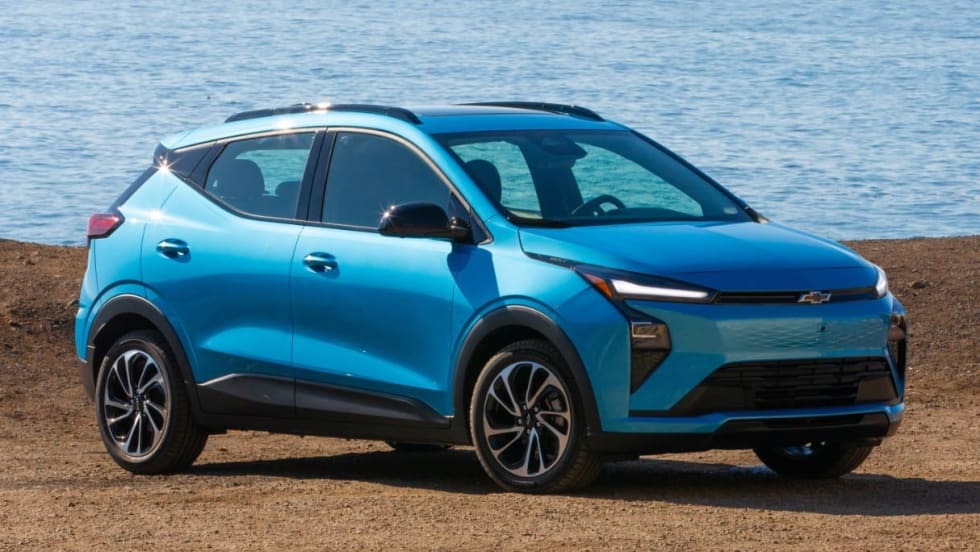
“The subcompact and compact SUV segments are outperforming the market this year, and by no coincidence, they’re also two of the lowest-priced product segments in the market,” said Cox Senior Economist Charlie Chesbrough.