Electric-vehicle owners are less satisfied with their home chargers as electricity rates rise and some experience slow charging speed and connection problems.
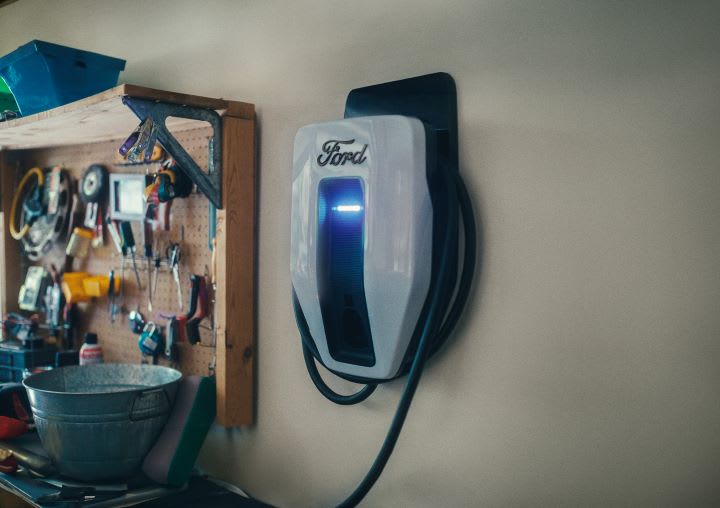
A J.D. Power survey of more than 10,000 owners of 2019 to 2025 model-year EVs found satisfaction levels fell for both portable and permanently mounted level-2 home chargers, though permanently mounted models still drew the highest satisfaction ratings.
Satisfaction was flat for level-1 portable chargers, which had the lowest rating.
In addition to charging speed and the energy cost, owners also complained about short charger cord lengths on the various models.
“While home charging remains the pinnacle of convenience when it comes to EVs, there are some pain points felt by owners across all three charging segments,” said Executive Director of J.D. Power’s EV Practice Brent Gruber in a report on the findings.
“… because charging speed has tremendous influence on customer satisfaction, home charging stakeholders should particularly focus on ensuring charging speeds are optimized to meet customer needs.”
A big part of the score decline for permanently mounted level-2 chargers resulted from internet connection issues. The study found those models had 39 overall problems for every 100 chargers and that nearly a third of those stemmed from interrupted internet connection or charger application issues.
“These functions are not as widely available on other types of chargers and are an advantage for Level 2 permanently mounted providers,” Gruber explained, “but ensuring they work consistently in a variety of home environments brings an added challenge that suppliers should keep in mind.”
Meanwhile, electricity rates have gone up, adding to the cost of charging. Average home charging cost in the previous 30 days rose $2 year-over-year for survey respondents to $58, pushing down cost satisfaction by eight points. The big satisfaction dip may be influenced by inflation fatigue, along with uncertain federal EV support and energy policy, J.D. Power said.
The company advocates steering EV consumers to permanently mounted level-2 chargers since, despite their problems, they have the highest satisfaction rates.
It pointed out that home chargers are all the more important for EV owners and future adopters due to uncertainty around public charger expansion. The U.S. transportation department under the new Trump administration recently halted funding for state-level charger development.
J.D. Power conducted the survey from November through January.