When U.S. auto consumers are in the market for a different power train than their current models, they’re more likely to switch brands for the change-up.
In fact, loyalty to power train type is significantly greater than brand loyalty, S&P Global Mobility says it found. Of households shopping for a new vehicle, 74% stick with the same power trains they’ve had, compared to 51% who stay with the same auto brands.
But consumers switching power trains tend to shop around: 62% of households doing so switched brands at the same time, according to S&P Mobility’s research. The automotive data provider observed the phenomenon among both households switching from gas-powered to alternative-fuel power trains and vice versa.
The pattern presents challenges and opportunities for auto dealers, the challenge of keeping customers in the fold, and the opportunity of winning over a competing brand’s loyalists. S&P says households tend to return to the auto market every 3½ years.
Of those, about half switch brands, it said. But among the three out of four who keep the same power train, 56% stay with the same auto brand they bought from the last time.
The research also found differences among consumer demographic groups and auto market segment.
Between July 2024 and this past June, more Asian households switched both brand and power train than those that changed brands but stuck with the same power trains, S&P said, while just 27% of black households that jumped to new brands also switched power trains.
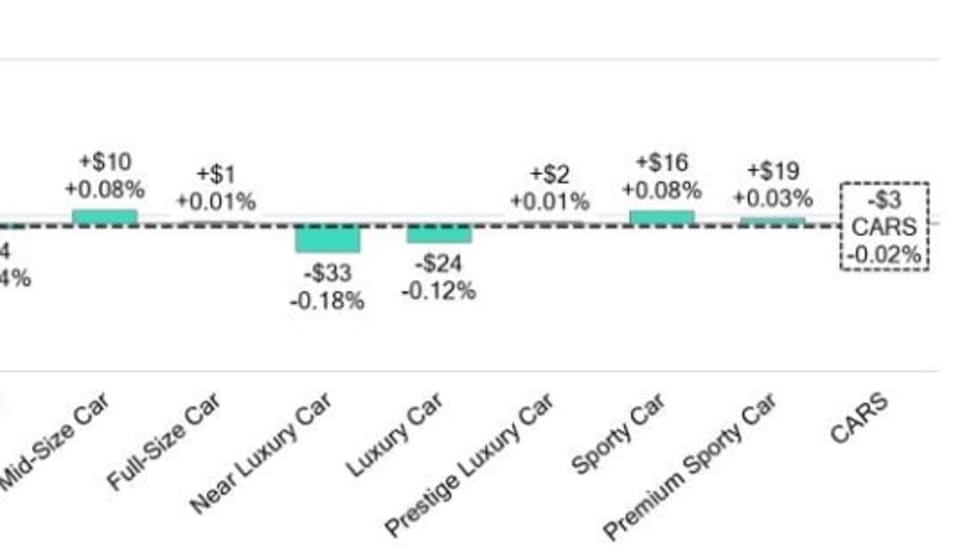
Meanwhile, a similarly low 26% of luxury auto consumers changing power trains stayed loyal to their previous brands, compared to 38% industrywide and 41% for mainstream brands.
S&P advises auto brands to target their marketing to households open to power train switch-ups in an effort that can at the same time reveal those loyal to their current power trains and brands.
“The more granular your targeting, the more effective your strategy will be,” the report says.
HYBRID POWER TRAINS: The 250K-Mile Club