




WASHINGTON — The U.S. Securities and Exchange Commission announced the close of an investigation into FCA US LLC and its parent company, Fiat Chrysler Automobiles N.V., which were accused of misleading investors about the number of new vehicles sold to customers in the United States each month.
FCA to Pay $40M Fine for ‘Cookie Jar’ Sales Reports
FCA US and Fiat Chrysler Automobiles will pay $40 million to settle charges leveled by the SEC, which accused the automaker of misleading investors by falsifying monthly sales reports to maintain the appearance of monthly gains.
September 30, 2019
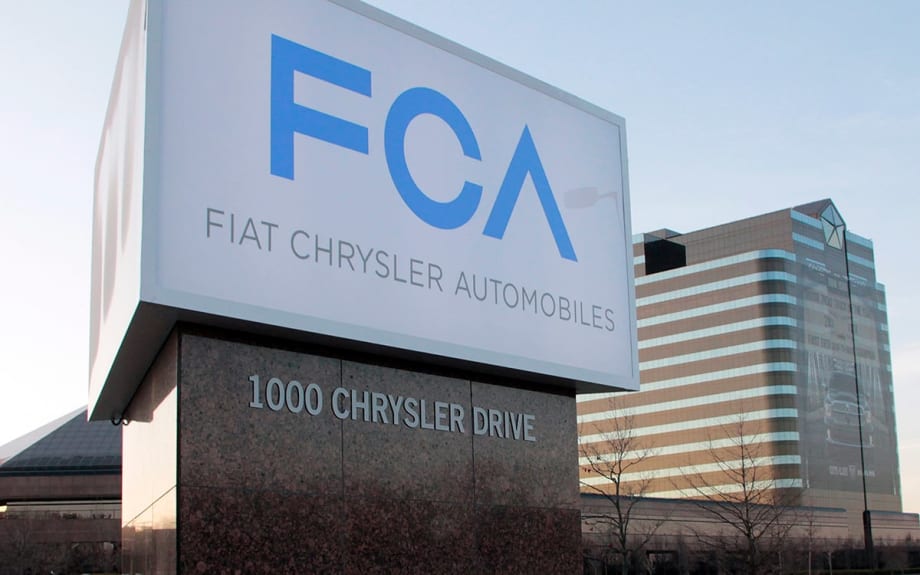
Fiat Chrysler Automobiles and its U.S. division will pay a $40 million fine to settle charges stemming from allegedly falsified monthly sales reports.
Photo courtesy Fiat Chrysler Automobiles
2 min to read
Without admitting nor denying the findings of a commission set up to investigate the charges, the companies have agreed to pay a $40 million civil penalty and pledged to comply with the provisions of the Securities Act of 1933 and the Securities Exchange Act of 1934.
According to the SEC’s order, between 2012 and 2016, FCA US issued monthly press releases falsely reporting new vehicle sales and falsely touting a “streak” of uninterrupted monthly year-over-year sales growth, when in fact, the growth streak had been broken in September 2013. The companies included those press releases in their SEC filings.
FCA US was accused of paying dealers to maintain a database of actual but unreported sales, which employees often referred to as a ‘cookie jar.’
FCA US inflated new vehicle sales results by paying dealers to report fake vehicle sales and maintaining a database of actual but unreported sales, which employees often referred to as a “cookie jar.” In months when the growth streak would have ended or when FCA US fell short of other targets, FCA US dipped into the “cookie jar” and reported old sales as if they had just occurred, SEC officials said.
“New vehicle sales figures provide investors insight into the demand for an automaker’s products, a key factor in assessing the company’s performance,” said Antonia Chion, associate director of the SEC’s enforcement division. “This case underscores the need for companies to truthfully disclose their key performance indicators.”
More Compliance
Another Look at a Recent Data Breach
Get caught up on the most pressing legal and regulatory matters facing dealers and F&I professionals, including data security, shotgun purchases, and inconsistent payment quotes.
Read More →

The Best Thing a Dealer Can Do to Avoid Legal Problems
Citing the issue is a strategy borrowed from the legal field itself.
Read More →
Fines of the Times
Civil penalties for noncompliance with federal auto retail and finance rules and regulations can add up quickly. Use this checklist to cover your bases.
Read More →
Goodwill and Car Dealers
A dealer goodwill tale is a cautionary tale worth paying attention to.
Read More →
Your Synthetic ID Theft Policy
Frankenstein’s monster is coming for your dealership. Use this guide to recognize synthetic ID thieves and maintain Red Flags Rule compliance.
Read More →
The Regulatory Empire Is Striking Back
President Trump - entropist and corporate disruptor in consumer law
Read More →
How to Clear a Red Flag
Refine and enforce your dealership’s FTC-mandated ID theft-prevention program to ensure no transaction goes awry.
Read More →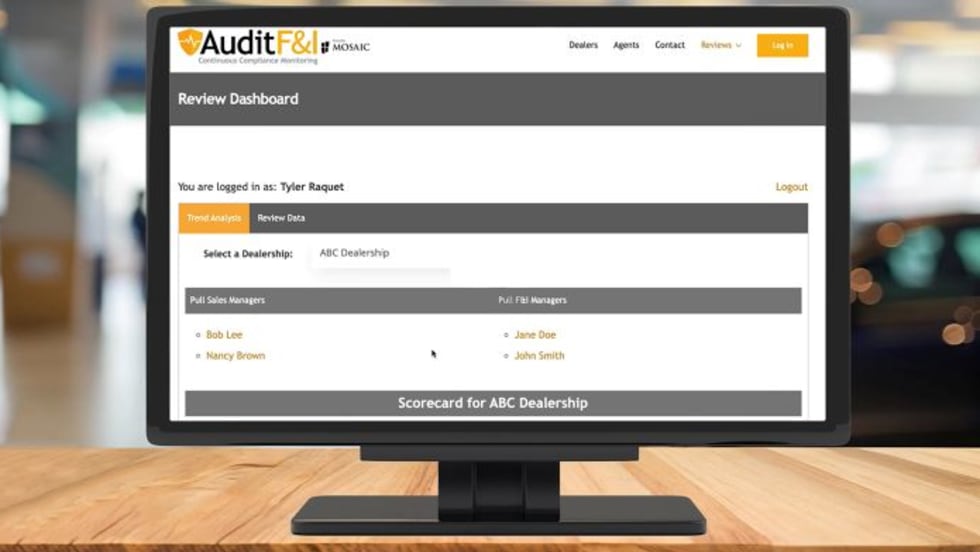
Mosaic Adds Continuous Monitoring With AuditF&I
New AuditF&I platform is designed to give dealerships a smarter way to stay compliant.
Read More →