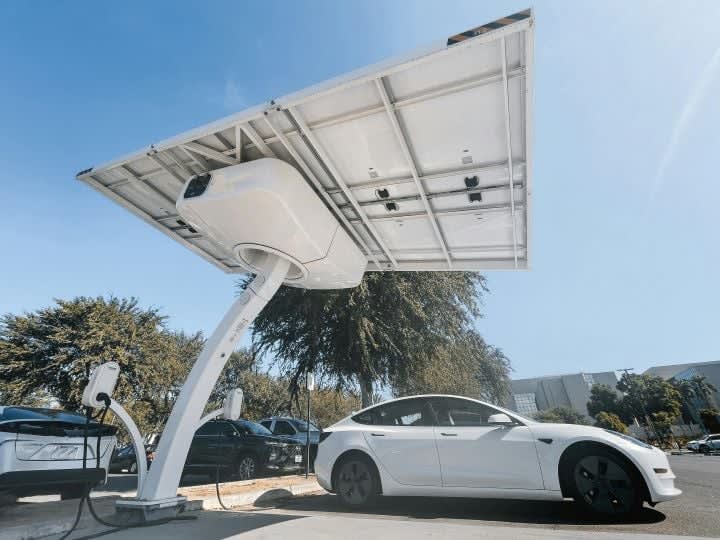
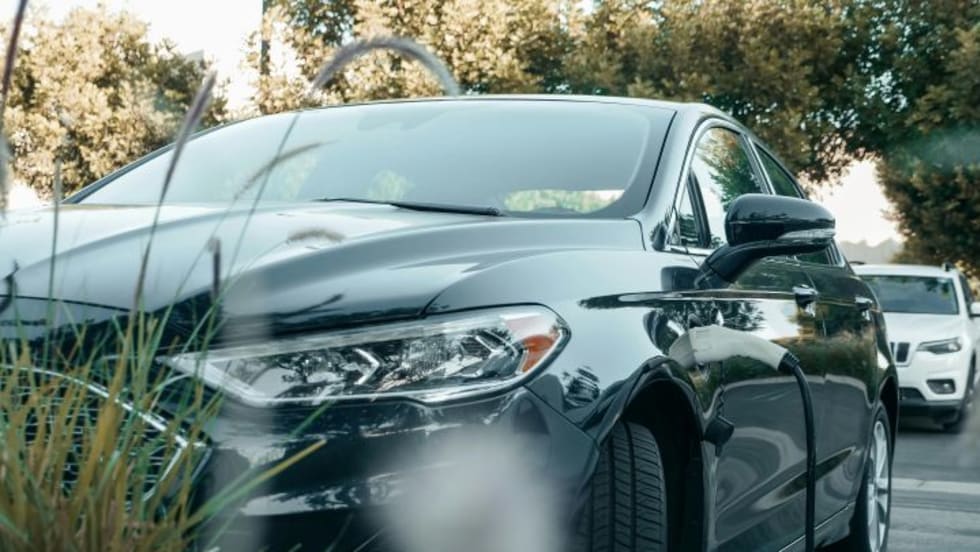
Public electric-vehicle chargers are becoming more reliable despite waning federal government support, though EV drivers are less satisfied with the experience due to cost and payment factors.
An annual J.D. Power study found that private efforts, including by automakers, are filling a charger funding gap following the Trump administration’s suspension of $5 billion in Biden-era funding to states to build out infrastructure.
A federal judge later ordered funding released for more than a dozen states that sued the administration, which announced it was releasing the funds under what it characterized as a more streamlined and flexible program.
Private charging networks, including those developed by automakers, have already been using the National Electric Vehicle Infrastructure funding guidelines in their build-outs, increasing public charger reliability, J.D. Power said in its report.
Its study, conducted from January through June based on a poll of more than 7,400 EV owners, found that failed public charger visits fell to their lowest point in four years, meaning fewer drivers are encountering nonworking ports. Just 14% said they met with the pesky problem, down five percentage points.
Limited reliable public charging has been a major obstacle in mass EV adoption, so marked improvement is a hopeful sign for EV sales, despite other federal pullbacks of support, including tax breaks for EV purchases and leases, which are now set to end in October.
Despite improved reliability, a significant number of EV drivers still aren’t satisfied with the full charging experience, J.D. Power’s study found. Satisfaction with direct-current, or DC, fast chargers fell 10 points on a 1,000-point scale to 654.
The price of charging, however more reliable, is a big factor. Satisfaction over charging costs for both Level 2 and DC charging fell 16 points based on conditions in the developing segment, J.D. Power found.
“Part of the decrease is due to non-Tesla owners using Tesla Superchargers, which deliver a far less satisfying user experience relative to the costs incurred, in comparison to those of Tesla owners,” said Brent Gruber, director of J.D. Power’s EV practice.
“Additionally, in previous years, many DC fast charging networks kept prices low as they developed their market presence, while manufacturers regularly offered free charging incentives with vehicle purchases. However, as the infrastructure market evolves and electricity rates rise, charging prices have increased significantly in some cases, directly affecting the overall EV ownership experience.”
Though Tesla chargers rank highest for satisfaction despite a score decline this year, developing automaker charging networks are catching up, the report indicates.