We all knew the Consumer Financial Protection Bureau (CFPB) was coming. In fact, its mid-September proposal to oversee larger nonbank auto finance companies didn’t catch anyone by surprise. What wasn’t expected, however, was the barrage of enforcement actions brought by other state and federal regulators, which targeted participants large and small on a range of issues.
CFPB: In mid-November, the CFPB entered into a consent order with DriveTime. The bureau charged the buy-here, pay-here operation with harassing consumers and their references, making excessive and repeated calls to wrong numbers and providing inaccurate repossession information to credit reporting agencies.
The CFPB also alleged that DriveTime mishandled consumer complaints about the alleged misinformation furnished to the bureaus and failed to implement reasonable procedures to ensure accurate reporting. DriveTime agreed to pay an $8 million civil penalty, fix its debt-collection and credit-reporting practices, and arrange for harmed consumers to obtain free credit reports.
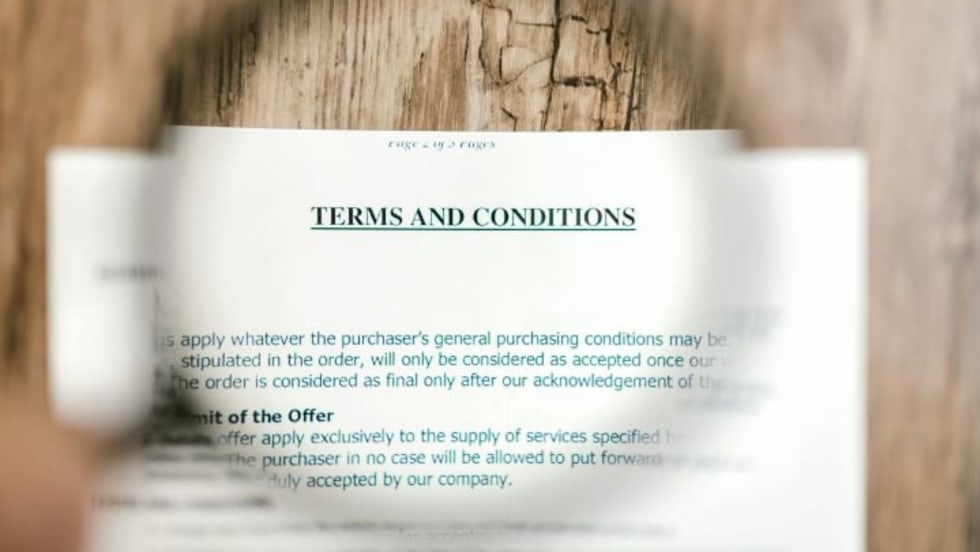
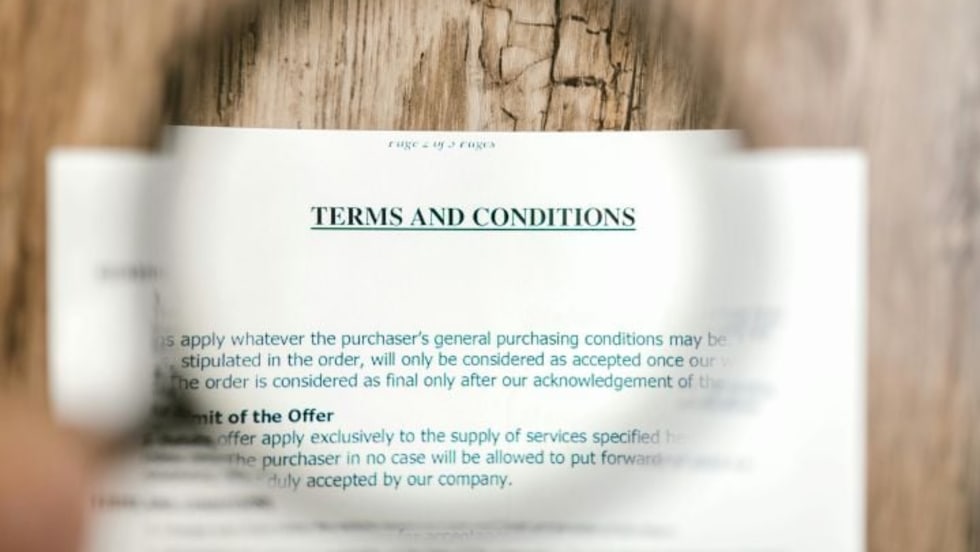
Federal Trade Commission: In mid-December, the FTC filed complaints against two dealers it targeted for deceptive advertising two years prior. The first, filed against a chain of dealerships operating in Iowa, Montana and South Dakota and its in-house advertising agency, alleged that the businesses violated the FTC’s 2012 administrative order prohibiting them from deceptive advertising by hiding material terms in fine print, and using distracting visuals and “rapid-fire” audio delivery in their ads. The companies agreed to pay $360,000 in civil penalties.
The FTC also charged four affiliated dealerships operating in Virginia and West Virginia with violating a similar 2012 administrative order. The group’s ads allegedly misrepresented the costs of financing or leasing a vehicle by concealing important terms of the offer. The FTC also alleged that one of the dealerships failed to make credit disclosures clearly and conspicuously, as required by the Truth in Lending Act (TILA). If the FTC prevails, the dealerships could face up to $16,000 in civil penalties for each violation.
U.S. Department of Justice: Also in mid-December, Credit Acceptance Corp. revealed it received a civil investigative subpoena from the DOJ pursuant to the Financial Institutions Reform, Recovery and Enforcement Act of 1989 (FIRREA). The DOJ sought documents related to the finance company’s nonprime financing and loan securitization activities.
The FIRREA is an interesting statute. It was enacted as a result of the savings and loan crisis of the 1980s and 1990s, when approximately one-third of the S&Ls in the country failed, leaving depositors high and dry. The DOJ wanted a tool to prevent the bad behavior that caused the failures. The statute appears to apply only to depository institutions, but the DOJ has used it to investigate any activity that could affect a federally insured institution — and courts have tended to support this broad application.
On the heels of the Credit Acceptance action came reports from Ally Financial, Toyota Motor Credit and Honda Finance Corp. that they, too, received subpoenas from the DOJ regarding their nonprime financing and securitization practices.
The Media: In the second half of 2014, The New York Times ran no fewer than five stories on the “dangers” of nonprime auto finance. Heavy on sensationalism, the articles often cited one-off consumer anecdotes that weren’t indicative of industry practices as a whole. Then, attorneys general in Massachusetts, New York and New Jersey issued subpoenas to a number of finance companies seeking information about nonprime auto finance practices and securitizations. Several state legislators also proposed bills to limit or prohibit the use of starter-interrupt and GPS tracking devices.
Finally, Credit Acceptance received a civil investigative demand from the Massachusetts attorney general’s office relating to the origination and collection of nonprime auto contracts.
So is The New York Times the cause of this flurry of state activity? Regardless, the resulting wave of enforcement we saw at the outset of 2014 shook the auto industry like an earthquake. The tremors will eventually subside, but probably not anytime soon. So brace yourself by adopting compliance best practices and be prepared for anything.
Nikki Munro is a partner in the Maryland office of Hudson Cook LLP. Email her at nikki.munro@bobit.com. Nothing in this article is legal advice and should not be taken as such. Please address all legal questions to your counsel.