


You have to be “The Hammer” to be a good closer. You have to be a “natural” to be a good closer. Only a few people can become good closers.
None of the above are correct about closing.
 MENU
MENU SEARCH
Sales consultants are led to believe great closers are born, not bred. Top trainer disagrees and shares a process you can use to seal more deals — no deception, obfuscation, or tricks required.

Six-figure sales consultants have shed the bad habits and lame word-tracks that send customers running to the competition.
Photo by michaeljung via Getty Images
You have to be “The Hammer” to be a good closer. You have to be a “natural” to be a good closer. Only a few people can become good closers.
None of the above are correct about closing.
Isn’t closing sort of a mystery? Isn’t closing one of those things everybody talks about, but nobody ever quite explains to you just exactly how it works?
In fact, don’t most people assume good closers mostly come by their talent naturally, and that you’re either good at closing or you aren’t, and there’s not much you can do about it? Or worse, don’t a lot of people think “closers” rely on deception to close more sales?
When closing comes up, don’t the weakest salespeople talk about it being something negative they would never do to their customers? Isn’t it always much easier on our ego to blow off things like closing, or dealing with price, or getting everyone behind the wheel, rather than admitting we just aren’t very good at it (yet)?
Well, it’s time to put those preconceived notions to rest, once and for all. If you want to be a better closer, you have to work at it. But that goal is well within reach for the dedicated automotive sales professional.
That Conversation Never Happens
I’ve heard managers talk about how nobody had ever sat down with them and said, “This is exactly what closing is, here are the steps to follow, and here are the exact words to say all along the way.”
Even in most dealerships that do training, so few people really understand closing and objection-handling that even some of the best closers really can’t explain what they do or how they do it.
It isn’t that closing is rocket science. It’s just a very deliberate process that’s made up of a lot of steps, just like almost everything else in life. Change a tire; follow steps. Build a car; follow steps. Close the sale; follow steps.
The steps to closing are way more involved than changing a tire, and closing depends on you having a toolbox full of other skills and processes, not just a few closing questions.
Two of the hardest concepts for people to understand about selling and closing are:
Questions are the answer.
Everything matters!
Not understanding those two simple statements is why so many people are looking for the secret closes at the end of the selling rainbow.
Without exception, the most common question we always get is “What’s the best close?”
Good question. But first, let’s go back to “Everything matters!”
Have you ever just absolutely not hit it off with a customer? From the moment you met, they didn’t like you and you didn’t like them. So would a super closing question have helped you make that sale? Probably not.
How about with a customer who is absolutely convinced your $40,000 vehicle is overpriced by at least $20,000? Would a power close have helped? Again, probably not.
People don’t buy from people they don’t like (yet). That’s why it’s so important to make a great first impression, greet them properly, build rapport and sell service and the other people in the dealership.
You can’t do those things, though, if you don’t know how to ask the right questions at each stage.

It takes about 60 to 90 minutes from walk-in to paperwork, a window in which deals are made or lost in a series of questions and answers.
Photo by skynesher via Getty Images
Skip a Step and Lose a Sale
There are no secret closes that will make up for skipping steps in the selling process.
If you don’t investigate to find out exactly how they’ll be using the vehicle so you can personalize a targeted presentation just for them, you can’t possibly build enough value to get them to pay the extra money it takes.
If you skip the demo, you’re down to a super low-price deal to try to make up for it — which not only doesn’t usually work, but tends to lower the price — you just signaled that you’ll come down even more.
Closing is a combination of everything you do and say that moves the sale forward to the point where you start your closing process. When you’re having trouble closing, it’s a combination of problems from what you didn’t say or do that creates your customer’s sincere objections.
The good news is that you know you.
Draw a line down the middle of a sheet of paper. On the left, make a list of everything you can think of that makes closing the sale easier. On the right, make a list of everything that will make it tougher.
A warm and friendly greeting will get you a ‘Just looking!’ more often than not.
Things as simple as wearing one of those joke ties to work your kids gave to you for your birthday can cost you a sale. Or for a real thrill, be dumb enough to bring up politics or anything in the news that half of all Americans support and the other half don’t.
Even if you think a warm and friendly greeting like “Hey, what’s up? How can I help you guys today?” should be on the left side of the page, it shouldn’t. It may be friendly, but it will get you a negative response like “Just looking!” more often than not.
Slow down and sell more. It takes 60 to 90 minutes from the time you greet the customer to get through the selling process correctly, so you can head inside to start your paperwork.
That’s 60 to 90 minutes of either left-side or right-side things you’ll say or do that will almost completely determine whether you have an easy-to-close sale or an almost-impossible-to-close-sale.
Make a bad first impression, use the wrong greeting, add in a couple of price questions from them that you mishandle, show them cars they don’t want based on price, wander around with no control, just answering questions about options, colors, and pricing — and you’re almost done.
Now to really kill a deal, take a phone call or two, skip the demo, ignore the woman in the group, leave them alone too long, and be sure to toss in a lowball or highball response to “What’s my trade worth?” Then try to close with, “So are you ready to get it today if the price is right?”
You don’t seriously think that’s how the salespeople who earn over $100,000 really sell, do you?
You’re going to spend your days at work whether you sell or don’t sell, and you alone control the outcome. To really understand why selling is so easy when you do it right, consider this question:
Just how hard should it be to sell a car to someone who came to buy it?
Joe Verde is the president of Joe Verde Sales & Management Training Inc. and an award-winning trainer who has worked in the car business since 1973. Contact him at joe.verde@bobit.com.
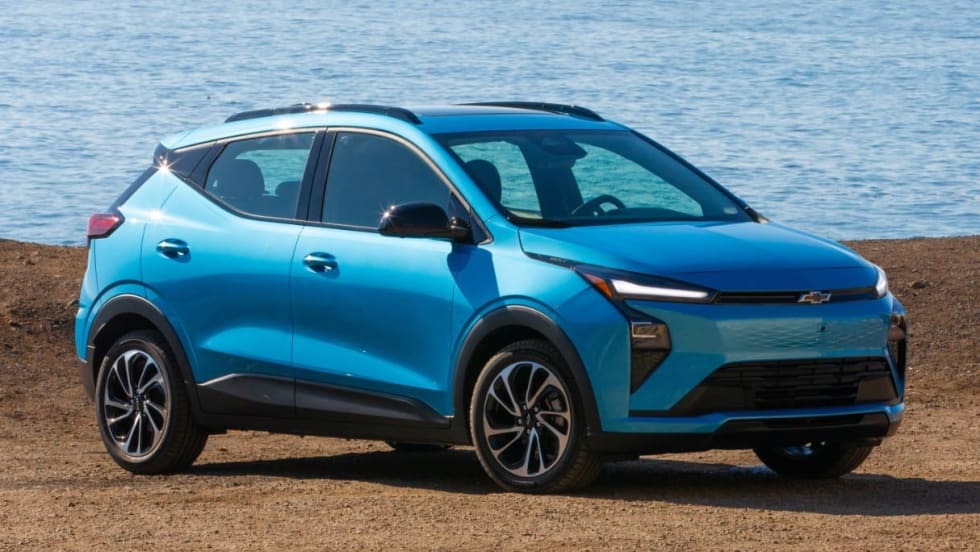
GM says it sells the cheapest electric vehicle in the U.S. market. It explains how it made improvements to the entry-level EV while keeping its price down.
Read More →
A Tennessee-based automotive group with deep industry history picked up the well-established Honda store, rebranding it.
Read More →
GM says more than 750 dealers across the U.S. are enrolled in CarBravo and that in January CarBravo dealers sold over two times the certified volume of Chevrolet, Buick and GMC dealers using traditional CPO.
Read More →
A flat national rate despite inflation and other financial challenges shows industry loyalty stability, annual Reynolds and Reynolds research finds.
Read More →
More Americans are open to made-in-China than one might think, especially the youngest, though general awareness here of its growing brands is limited.
Read More →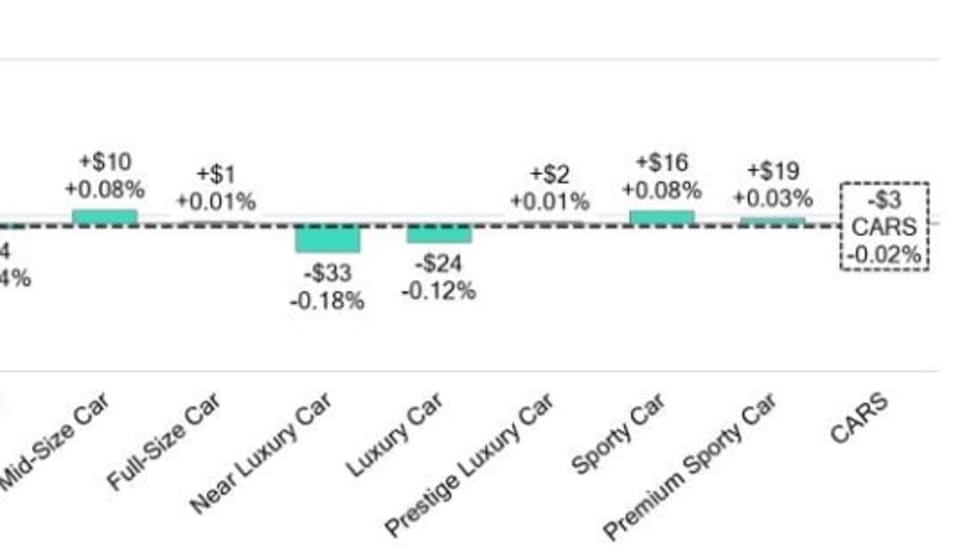
The overall cars segment was about flat last week, similar to the rest of the wholesale market.
Read More →
Study finds that adopters are true believers and that their satisfaction with the vehicles is growing, including for public charger experience, despite pullback of federal incentives.
Read More →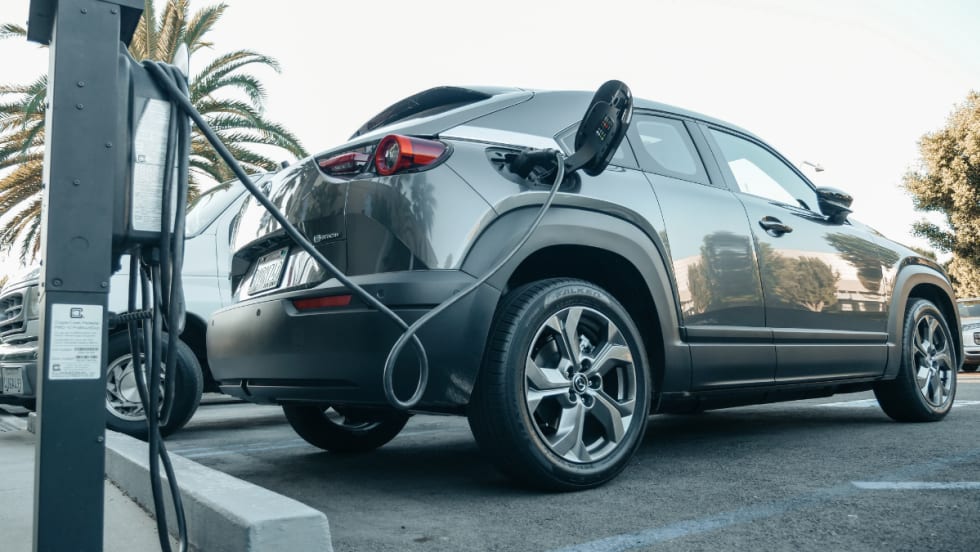
Electric-vehicle inventory dropped in December, according to S&P Global, but the hybrid market saw about a 19% year-over-year increase in supply despite being down from November.
Read More →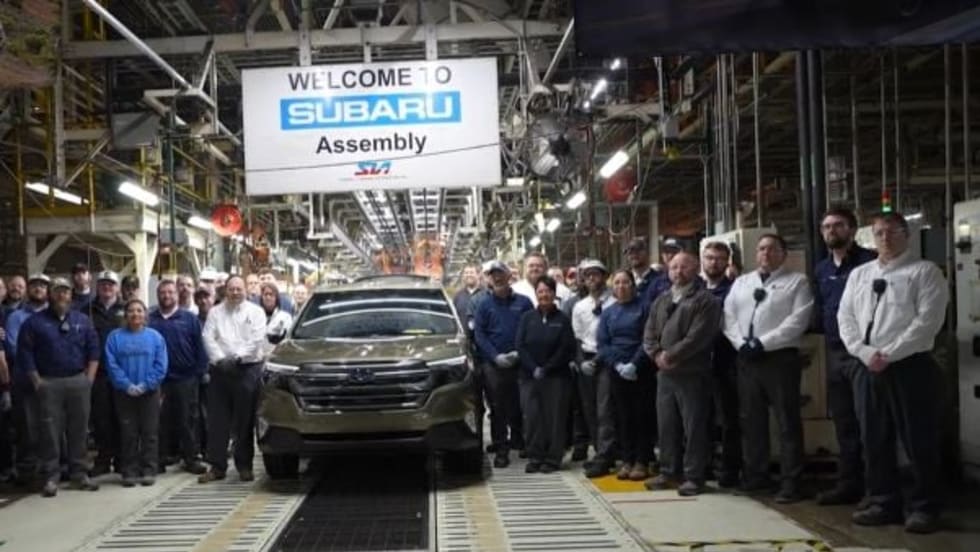
Subaru addition to its sole U.S. plant mirrors the automotive industry’s emphasis on the gas-alternative powertrain after recent setbacks for pure EVs.
Read More →
The year starts with declined expectations for economic conditions and plans to make big purchases. Used cars, though, are among the top big-ticket categories under consideration.
Read More →