Having worked in the special finance business since 1989, I thought I had seen it all. Then I received an e-mail from the special finance director at one of the best dealerships in the country. It was great to hear from him, but I was stunned by what he wrote.
I didn’t know whether to shriek or laugh at the situation he described. When I regained my senses a day later, I wondered why I was so shocked by his news.
Apparently, the director received a heads-up from his Ally representative. It seems another dealership in his market found itself in a situation that illustrates how easily things can get out of control when dealing with a dishonest customer.
When it comes to special finance, it’s not uncommon for a finance company to require proof of income for most of its credit tiers. This is certainly nothing new. What is new is how easy it has become for customers to falsify their income.
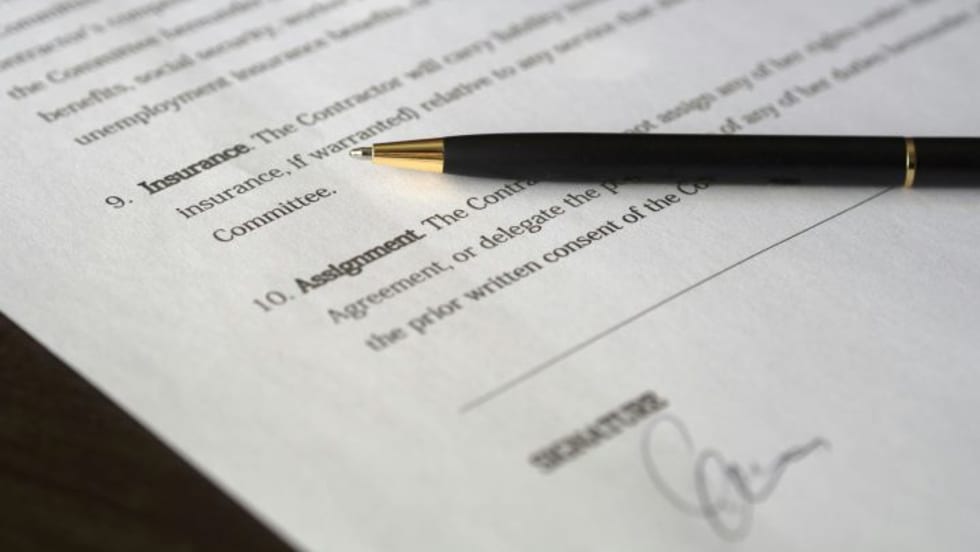
Today, consumers can now go online and create phony paystubs that verify whatever income they put on their credit applications. They can even pay these services to assign them a number they can provide the finance company. When the buyer calls to verify employment and their stated income, somebody will answer.
If you don’t believe me, go to Google and type “create paystubs” into the search. As you’ll see, there are paid services everywhere that, for a couple hundred dollars, can help a down-and-out customer create whatever document they need to get into a new car. And they don’t hide it, either. In fact, you’ll see customer testimonials complete with photos of customers standing next to their new rides.
Are you as stunned as I was? Well, it’s clear things have come a long way since a member of the 1972 Miami Dolphins tried to secure a mortgage using a fake paystub. The computer-generated dates were crossed out and new dates handwritten in. I know about this because he tried it on a mortgage company I once owned.
I also remember an incident from seven or eight years ago, when a large volume special finance dealer I knew used a combination of the same 10 phone numbers on every credit app. He had five phone numbers to verify income and employment and five more to verify residence. And every credit app contained one of those 10 numbers. Can you say, “bank fraud”?
Never a Good Reason
I shared that story and the accompanying warning at my most recent two-day special finance training school. The class laughed and seemed genuinely surprised by what I told them. Then a person asked: “Do you think we could use it if they really do get paid what they state, but they are handwritten stubs that the finance company won’t accept?” My answer was a resounding “No!”
Creating false paystubs is totally off limits! Don’t even be tempted. Criminal penalties include fines of up to $1 million and/or up to 30 years in prison. Unfortunately, I know of a couple of people who have learned that the hard way.
Sure, if the consumer is bold enough to go online and create his or her own paystubs, there is little you can do but conduct your own employment and income verifications to catch them. If you are duped, which certainly could happen, you will, without a doubt, get to unwind or buy back the deal. You should also be able to dodge criminal charges — that’s if you were truly innocent of any wrongdoing.
On the other hand, if you knowingly participate or, worse yet, go online and create fraudulent paystubs, the federal statute states it is considered bank fraud when someone “… knowingly executes, or attempts to execute, a scheme or artifice to obtain any of the moneys, funds, credits, assets, securities, or other owned property owned by, or under the custody or control of, a financial institution, by means of false or fraudulent pretenses, representations or promises.”
I am not an attorney, but I assure you that statement covers the act of making fake paystubs.
The Price Is Too High
With what we’ve seen from the Consumer Financial Protection Bureau and stepped-up enforcement from the Federal Trade Commission, you will get caught. But even if you don’t, the special finance business has always required — and still does — a strong relationship between dealers and banks/finance companies. If you get caught with your hand in the cookie jar — even if it doesn’t become criminal — you risk ruining a relationship. And in this day and age, that’s something you can’t afford.
For dealers who are reading this, I’d go one step further and block your computer networks from being able to access these sites. Doing so would certainly keep you one step further away from a potential problem.
The special finance industry is a great industry, but it is a small community. If one bank or auto finance company knows you’re doing stuff like this, it is a good bet they all do. There are enough ways to accidentally fall into a trap without creating one for yourself, so don’t let it happen. Until next month, steer clear!
An 18-year former dealer principal who has been focused on special finance since 1989, Greg Goebel is the CEO of Used Car University LLC. He serves as an industry consultant, trainer, author and speaker, and has taught his special finance win-win-win strategy to more dealers, vendors and finance companies than any other trainer.
GoebelG@AutoDealerMonthly.com