By taking these measures and steps, these dealers have made it possible for customers to continue buying the cars they need.
The coronavirus pandemic has affected each person on the planet. By forcing the entire workforce to figure out how to work from home and remain just as productive, it has helped push remote work to the forefront of the conversation. The pandemic has been especially hard on the managers and owners of new businesses, having to work on keeping their companies afloat while prioritizing their staff's health.
Car dealerships, in particular, have had to come up with new innovative ways to stay productive and operational during these times..
1. Proactive cleaning and sanitation.
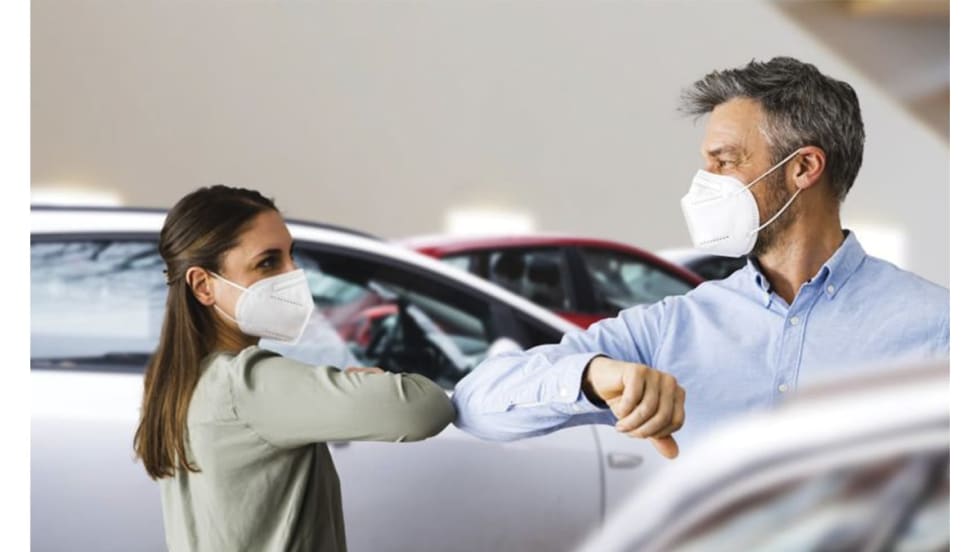
Car dealerships, just like restaurants and banks, have a service-oriented business model. Prospective buyers typically interact with sales representatives, making it possible for them to seek clarification whenever they have any questions. Since these interactions are potentially unhealthy, many dealerships have taken to ensuring staff members sanitize their hands ever so often.
To make it possible for prospective buyers to try out the vehicles and go on a test drive, dealerships have also had to make sure to sanitize the cars as soon as someone has been inside it. Taking these proactive measures has gone a long way to ensure that the health of both customers and employees is taken into full account.
2. Serving customers from the comfort of their homes.
Many governments all over the world have instituted a stay-at-home directive that has been in effect for the past few months. Most consumers are now generally unwilling to leave their homes unless they need to, say to buy their groceries and toiletries. And as more retailers offer delivery to their customer's homes, many people are now settling on never leaving their homes at all.
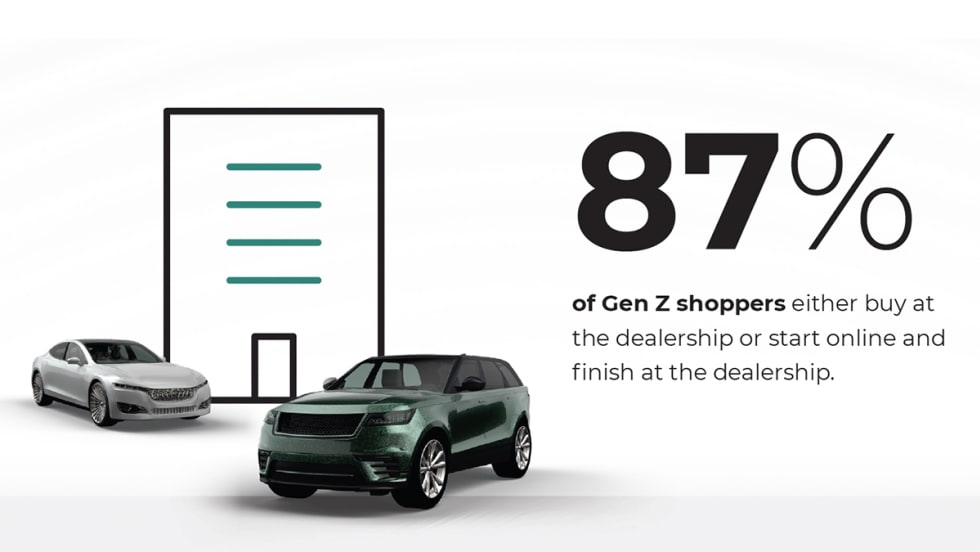
To be able to continue serving these customers, car dealerships have had to incorporate online shopping into their business model as well. Now, you can buy the car you want right from the comfort of your home- dealerships are arranging for their staff to deliver the car express to your driveway.
3. Making the client's home the new office.
By making it possible for people to continue enjoying their favorite dealership's services without having to leave their homes, this has made business less risky. Some firms have come up with creative ways to ensure all the paperwork is done from the comfort of your own home. Such dealerships have opted to carry along their own folding table, setting up at the client's driveway or garage.
They also carry their own pens and have the paperwork already printed, all sanitized to minimize the risk of contamination. After the deal is completed and the car is handed over, the sales agent will then leave with all the paperwork and stationery, ensuring that no contaminated items get into your home. This has proven to be very effective.
4. Maintaining a steady inventory.
Three different car manufacturing companies, Ford, GM, and Chrysler Fiat, announced after the pandemic struck that they would halt the production of cars in the United States. At the time, many people feared that this would result in a shortage of cars soon. However, these companies have gradually reopened their manufacturing facilities, and production is set to continue.
Many dealerships have, therefore, taken this opportunity to ensure that their inventories are well stocked and that a good supply of cars still exists. By maintaining a steady inventory, your customers will be able to buy the vehicles they need without the price burden that heightened demand often tags along with.
5. Putting up virtual walkthroughs.
Foot traffic to car dealerships' showrooms is almost non-existent at this point. It has therefore been important for auto dealers to reconfigure their operations to cater to their customer's needs. Since people are unwilling to go take a tour around their local car dealer's showroom, many dealerships have resorted to posting virtual tours online. This makes it possible for clients to see all the vehicles on the lot without having to be there themselves.
6. Updating the company website.
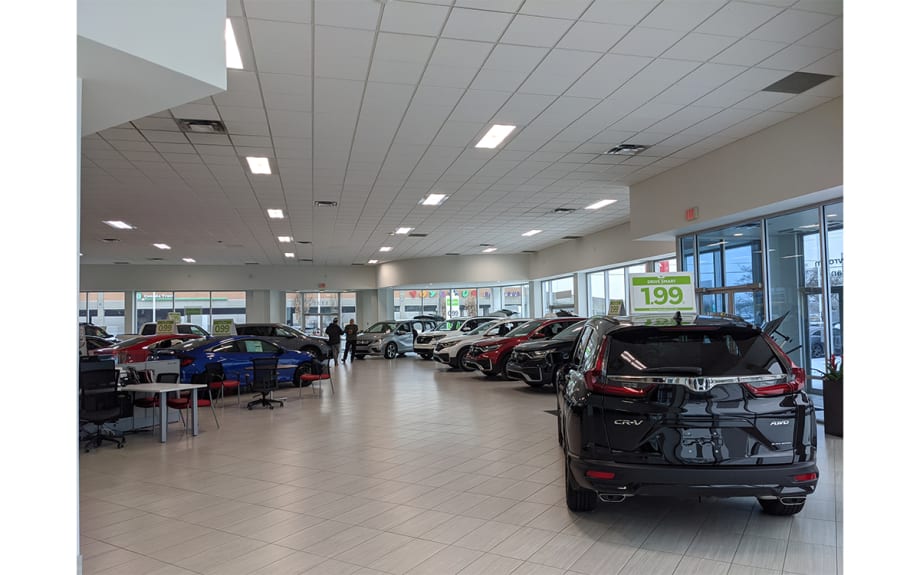
The typical car dealership follows a simple business model- one large and spacious showroom with a few cars on display, and maybe a couple more out on the lot, ready to be test driven. Most dealerships invest in these aspects of their business over other just as important things, like the company website.
With more people scrolling on their phones looking for options, it's crucial to ensure your website is updated and can handle all this traffic while providing a comfortable user experience. Auto dealers that have done this have made it easier for customers to look through their online inventory, making the entire process more convenient.
7. Taking appointments.
Although some dealerships have reopened their showrooms, they're sticking to the social distancing rule, ensuring that only a reasonable number of clients are inside at any one time. Others have taken to scheduling appointments, spacing them out in such a way that only one or two clients are in the showroom at once. Taking appointments will ensure that you're on top of the situation, and that you're able to plan everything in advance.
Finding a new normal.
As more and more businesses come up with creative ways to stay afloat, car dealerships are not far behind. In fact, in many ways, they're leading the pack. Arranging virtual tours, replenishing stock, and following the set guidelines; these are just a few ways car dealerships have had to adjust to the pandemic. By taking these measures and steps, these dealers have made it possible for customers to continue buying the cars they need.
Abby Drexler is a contributing writer and media specialist on behalf of Indi Car Credit. She graduated from the University of Tennessee with a degree in Public Relations.
Read: The DOWC vs. The CFC